


How to Clean Rust Off Jewelry: Simple Methods That Actually Work
The safest way to clean rust off jewelry is to start gentle: warm soapy water and a soft toothbrush first, then a baking soda paste, then a short white vinegar soak only if the metal can handle it. Here is how to clean rust off jewelry without stripping the finish or damaging the setting.
Light rust usually comes off in minutes, and if a piece is past saving, we also point to replacements from our Advent Calendar collection. In this guide, we will explain what rust is, which method suits which metal, what to avoid, and how to stop it coming back.
Quick answer: Wash with warm water and dish soap, then scrub rust spots with a soft toothbrush and baking soda paste. For stubborn rust on solid steel, soak in white vinegar for 5 to 15 minutes. Rinse, dry completely, and never use acid on pearls, gemstones, or thin gold finishes.
What Is Rust on Jewelry, and Why Does It Happen?
Rust is iron oxide, a reddish-brown coating that forms when iron or steel meets water and oxygen. Jewelry rusts when its base metal contains iron and the protective finish has worn thin, often around clasps, jump rings, and earring posts.
Gold and silver never rust; they tarnish, and green marks usually point to copper. Check the color first: orange-brown specks mean rust, while black or green needs a different fix.
Sweat, chlorine, saltwater, and damp storage speed rust up, and thin plating or low-grade steel gives it a way in.
How Do You Clean Rust Off Jewelry Step by Step?
Start with warm water and dish soap, brush gently with a soft toothbrush, then try baking soda paste. Use white vinegar only on solid steel, and only for a short soak. Rinse well and dry completely so moisture cannot restart the rust.
- Test first: Dab your chosen cleaner on the underside of the clasp. If the finish dulls or lifts, stop.
- Wash: Soak the piece in warm water with a drop of mild dish soap for five minutes, then brush the spots gently.
- Baking soda paste: Mix three parts baking soda with one part water, spread it on the rust, wait 10 to 15 minutes, then brush lightly.
- White vinegar soak: For stubborn rust on solid steel, soak for 5 minutes, check, and repeat up to 15 minutes. Longer soaks can pit the metal.
- Rinse and dry: Rinse well, dry with a soft, lint-free cloth, then air dry for an hour before storing.
Never mix vinegar with bleach, because the combination releases toxic chlorine gas.
Which Cleaning Method Is Safe for Your Metal?
Match the method to the material. Stainless steel and solid steel tolerate baking soda and short vinegar soaks, while plated pieces, pearls, and porous gemstones need a gentler routine with no acid at all.
| Jewelry material | Rust risk | Safest method |
|---|---|---|
| Stainless steel | Low, usually surface spots | Soap, then baking soda paste |
| Plated steel or iron base | High once the plating wears | Soap and baking soda, no acid |
| Solid gold or sterling silver | None, but it tarnishes | Soap and a polishing cloth |
| Pearls and porous stones | Rust on clasps or settings | Damp cloth only, no acid |
Acid dissolves the surface of pearls, so if only a pearl necklace's clasp is rusty, wipe just that part with a damp cotton swab.
What Should You Never Use on Rusty Jewelry?
Skip anything harsh. Steel wool, bleach, ammonia, and long acid soaks often cause more damage than the rust itself, so stick to soap, baking soda paste, and short vinegar soaks on solid steel.
- Steel wool and wire brushes: They scratch the surface and leave iron particles that rust again.
- Bleach and ammonia: They can eat through plating and weaken solder.
- Abrasive toothpaste: It can scratch thin finishes, so use baking soda paste instead.
When Should You Stop Cleaning and Replace the Piece?
If rust returns within a couple of weeks, or the finish flakes off in patches, the protective layer is gone and cleaning only buys time. Replace the piece or ask a jeweler about re-plating.
Worked example: Nora wears a thin gold-tone chain daily. After six months, the clasp turns orange. Baking soda paste wipes the spots away, but they reappear within two weeks, so she knows the finish has worn through. She replaces it with the Pearl Bauble and adds the 12-Day Advent Calendar for gifting.

How Do You Keep Jewelry From Rusting Again?
Keep it dry and clean. Moisture trapped in clasps and chain links is the main trigger, so wiping pieces dry after every wear and storing them somewhere dry prevents most repeat rust.
- Store dry: Use a fabric-lined box or pouch, and add silica gel packets to absorb humidity.
- Clean monthly: A quick soap wash stops buildup, and our guide on how often to clean jewelry helps you set a routine.
- Skip pools and hot tubs: Unless a piece is made for water, take it off before chlorine or salt water.
Which Jewelry Handles Water and Sweat Better?
Look for a corrosion-resistant base such as stainless steel, a thick and durable finish, and a clear water rating from the maker. Those three features matter more than price when you want to stop repeat rust.

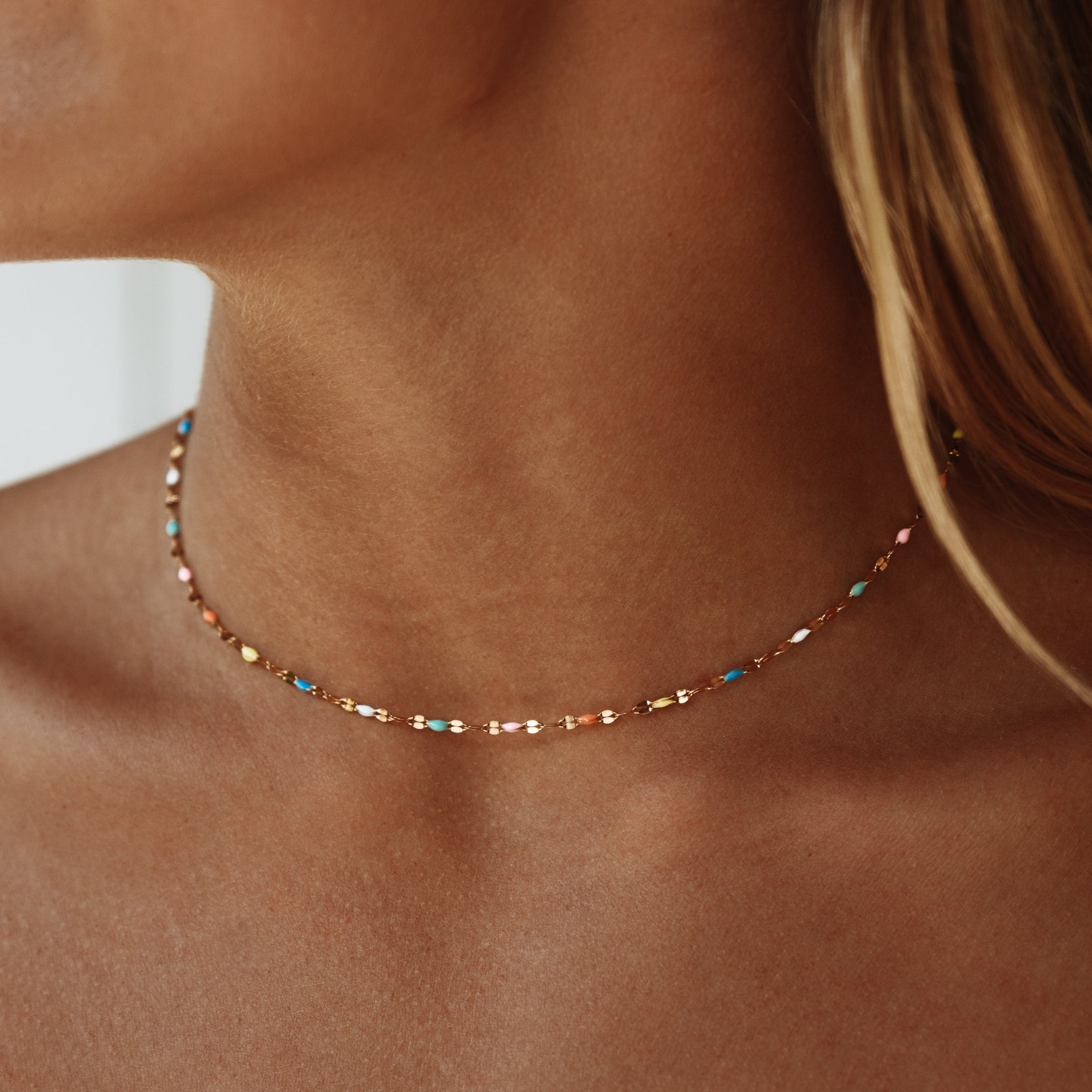
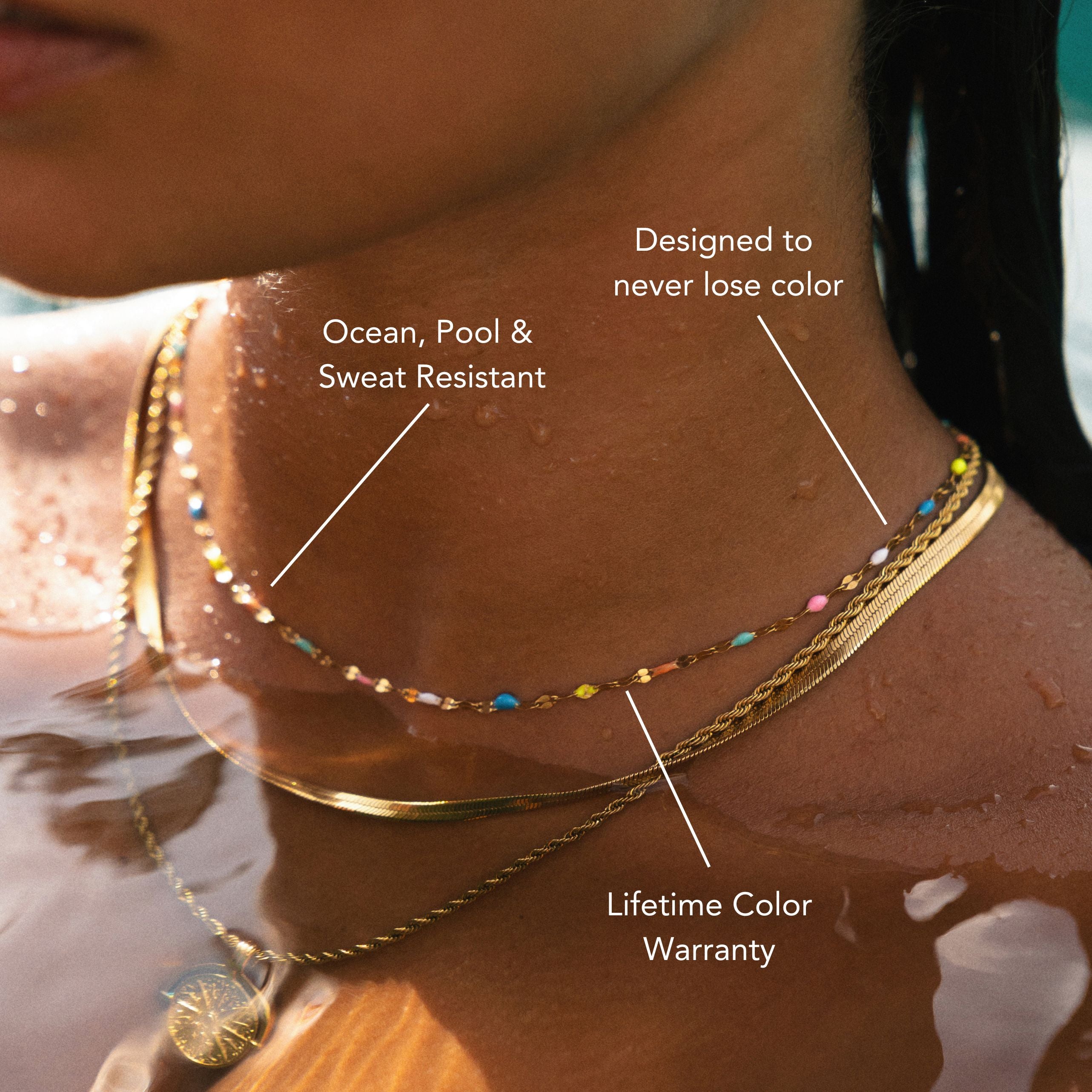
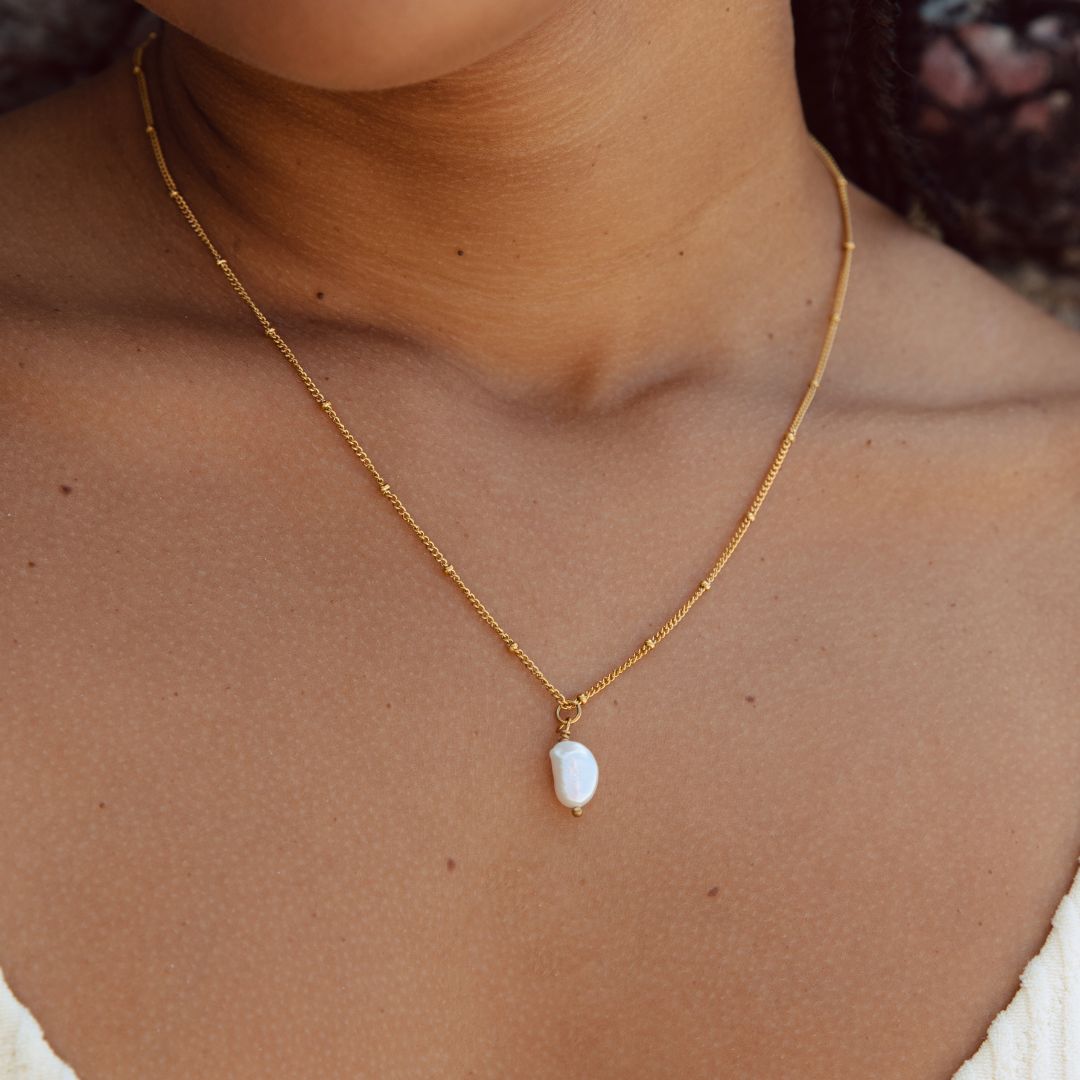
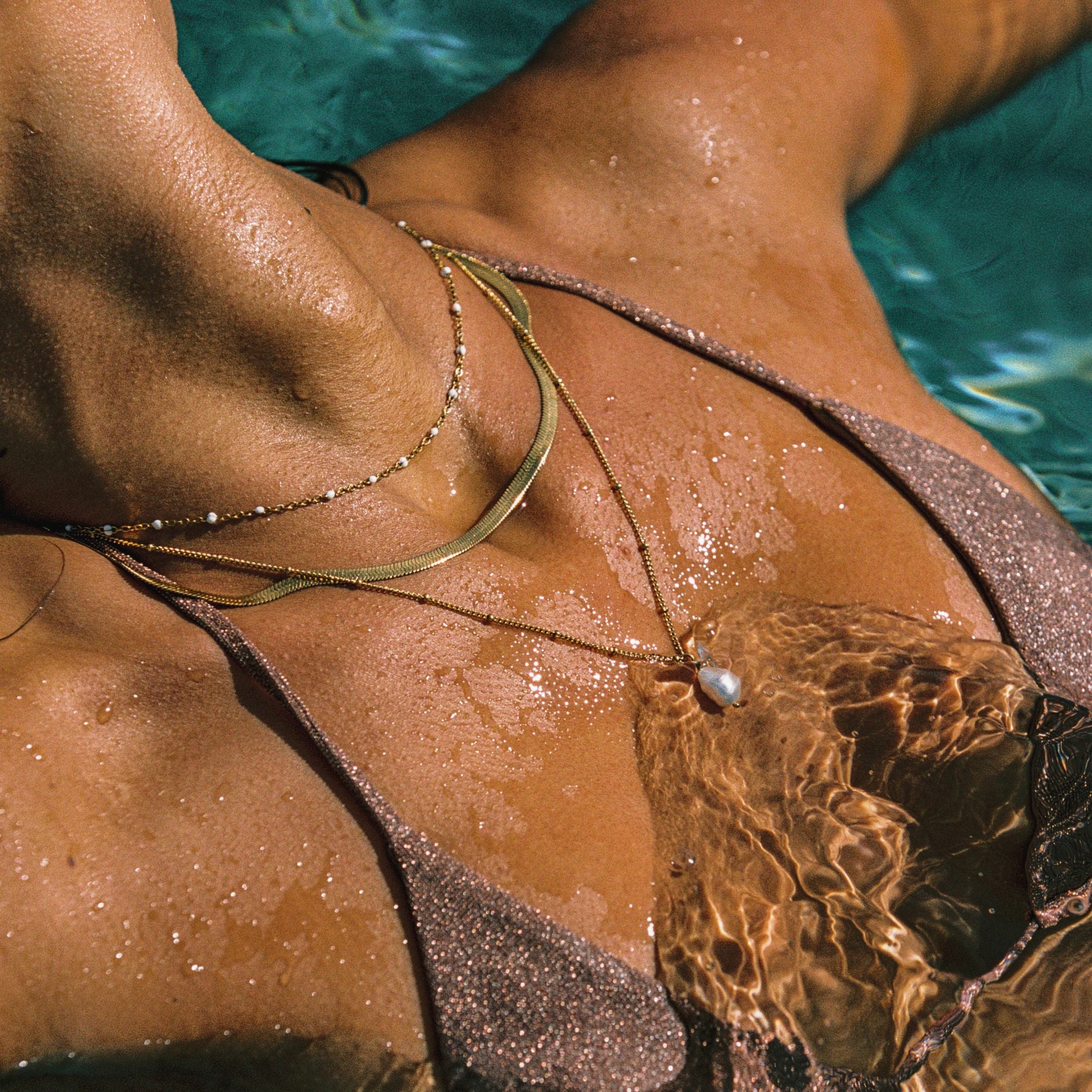
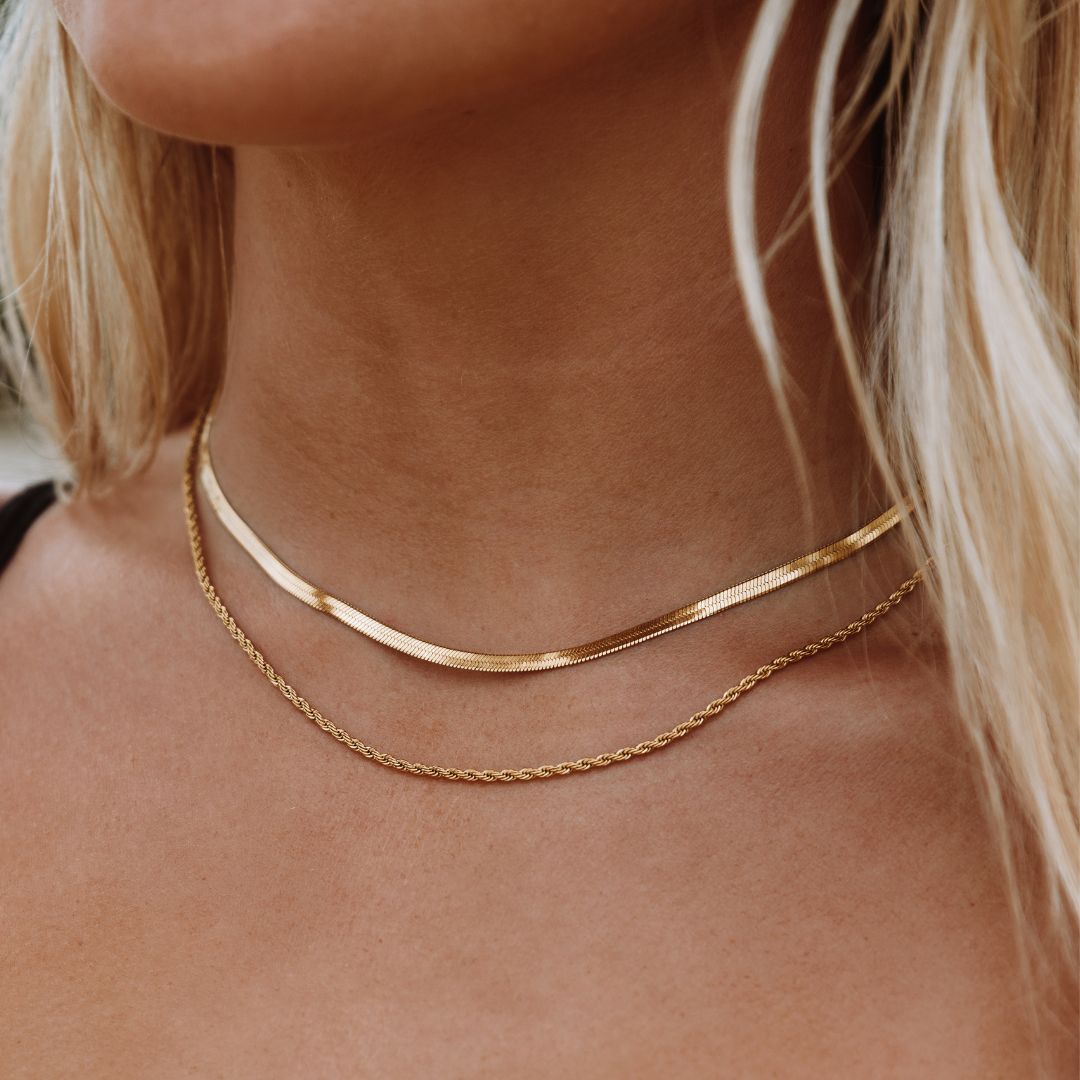
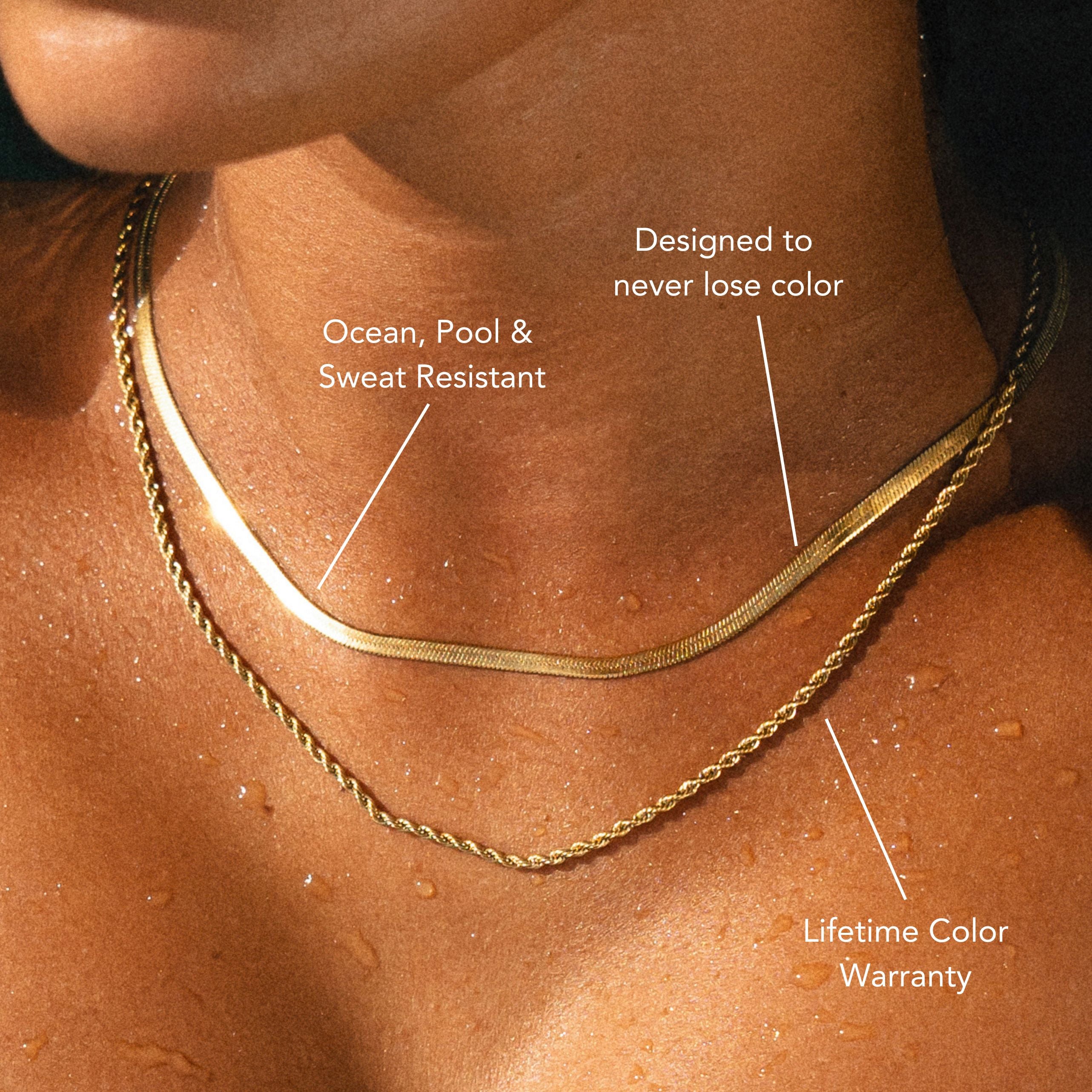
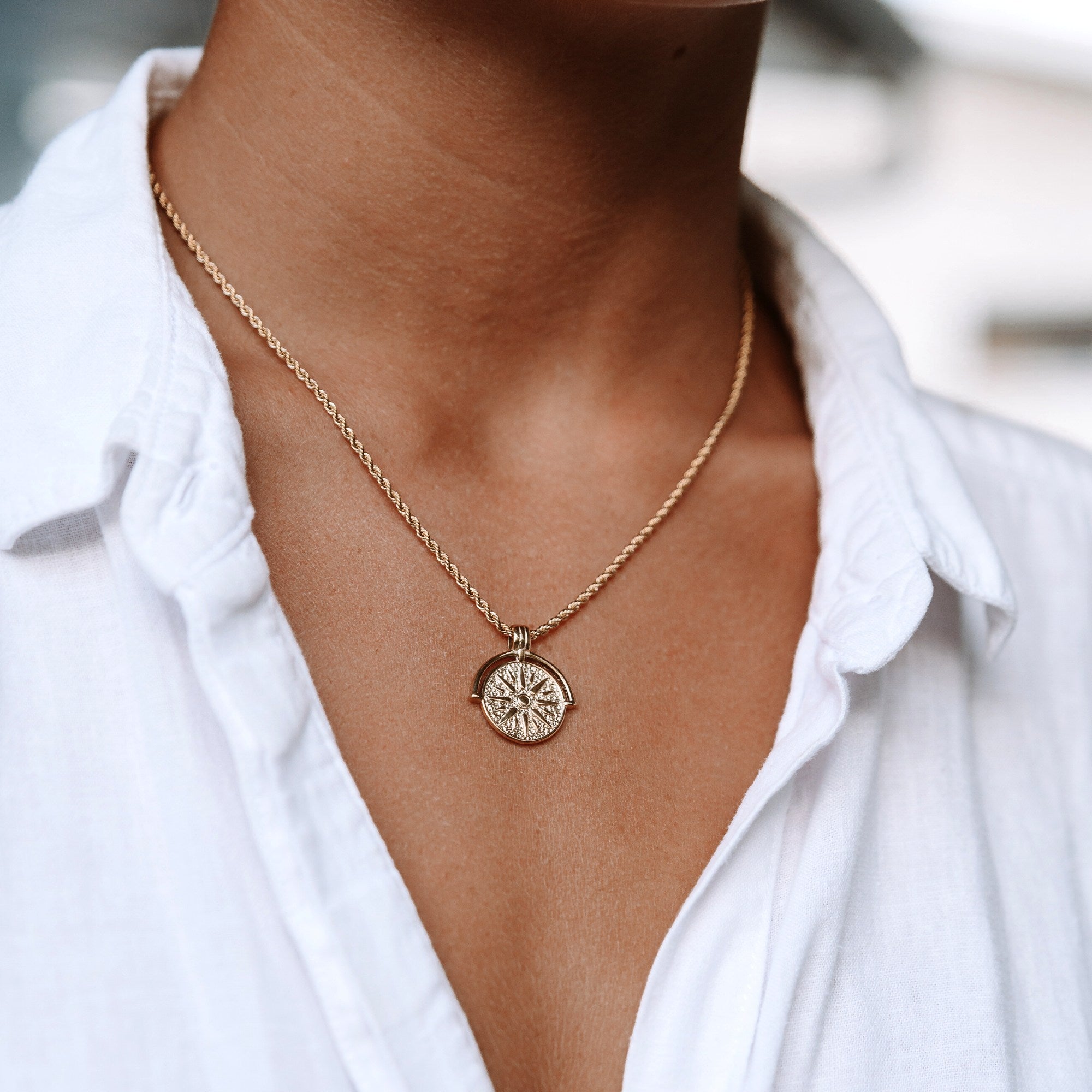
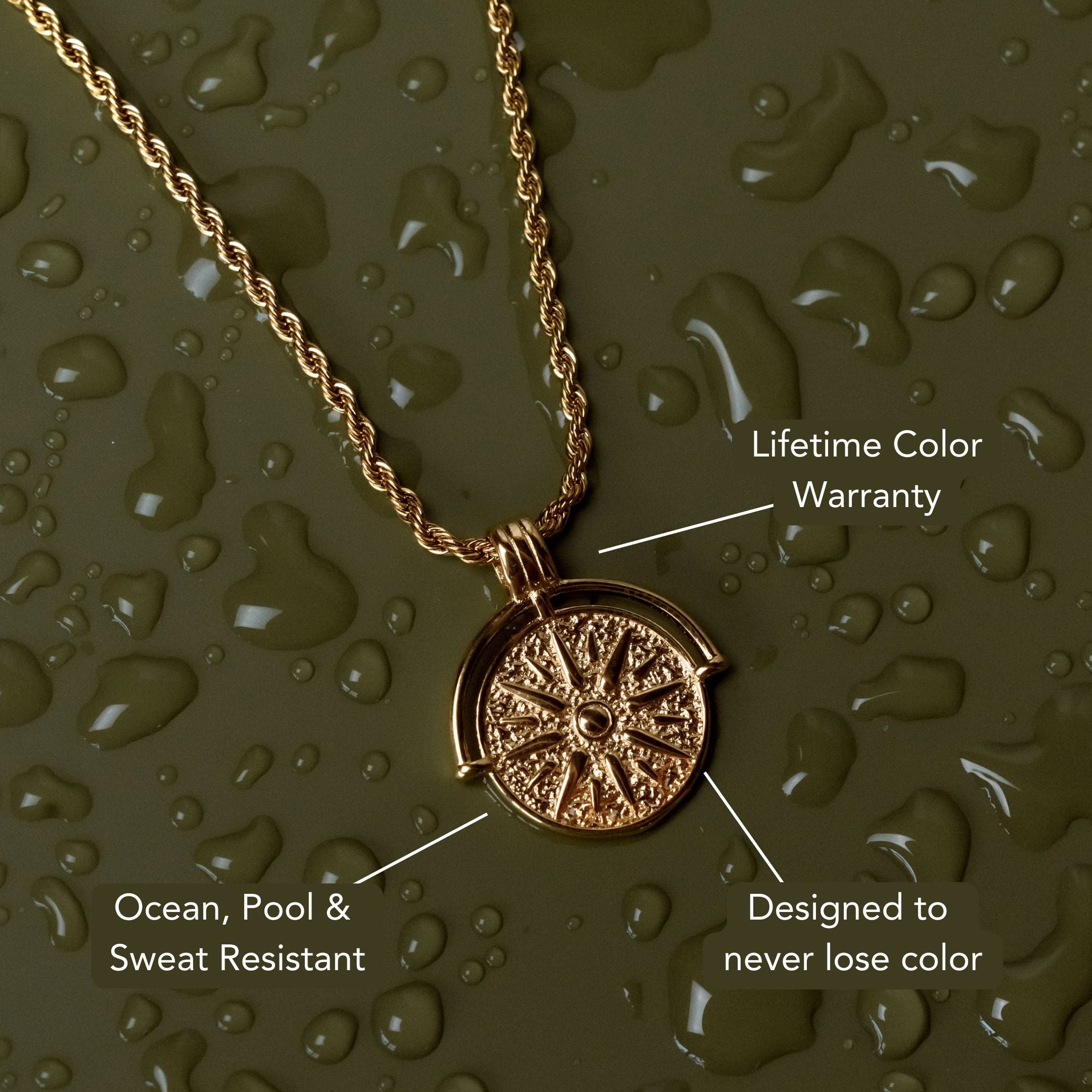
Atolea jewelry is made from high-quality stainless steel with an 18k gold PVD finish, which we describe as about 10x thicker than standard gold plating, and it is made for the shower, pool, ocean, gym and sweat. Our jewelry Advent Calendars put that idea in gift form: the 12-Day and 24-Day Advent Calendar each hold surprise necklaces, bracelets, and earrings (no rings, so no sizing worries). For a single gift, the Pearl Bauble pairs a Baroque Pearl Pendant with Freshwater Pearl Hoop Earrings, and the Sunshine Bauble pairs the Golden Sun Necklace with Tiny Gold Hoop Earrings.

Pearl pieces still need the gentler routine above: wipe them dry and keep them out of the pool.
Final Thoughts
Knowing how to clean rust off jewelry comes down to three habits: start gentle, match the cleaner to the metal, and dry every piece completely. When rust keeps coming back, the finish is the problem, not your cleaning.
Frequently Asked Questions
Can you use vinegar to remove rust from jewelry?
Yes, but only on solid steel and only briefly. Soak for 5 to 15 minutes, then rinse and dry. Never use vinegar on pearls, porous gemstones, or thin gold finishes, because the acid can dull or strip them.
Is it safe to wear jewelry with rust on it?
It is better to clean it first. Rust can leave orange stains on skin and may irritate sensitive skin. It also signals that the finish has worn away, so the piece will likely keep getting worse until you clean or replace it.
Does baking soda remove rust from jewelry?
Baking soda removes light surface rust. It acts as a mild abrasive, so mix it into a paste, let it sit for 10 to 15 minutes, and brush gently. For deep pitting, baking soda will not restore the metal.
Can stainless steel jewelry rust?
Yes, in some conditions. Stainless steel resists rust, but low-grade alloys, deep scratches, chlorine, or contact with iron particles can cause spots. Clean and dry it fully, and if spots return fast, the alloy is probably low quality.
How often should you clean jewelry to prevent rust?
Wash pieces you wear daily about once a month, and wipe them dry after sweat or water. Rinse and dry anything exposed to chlorine or salt water the same day. Regular quick cleaning stops buildup before rust forms.







コメントを書く
このサイトはhCaptchaによって保護されており、hCaptchaプライバシーポリシーおよび利用規約が適用されます。