


Removing Tarnish from Jewelry: 5 Fast and Easy Method
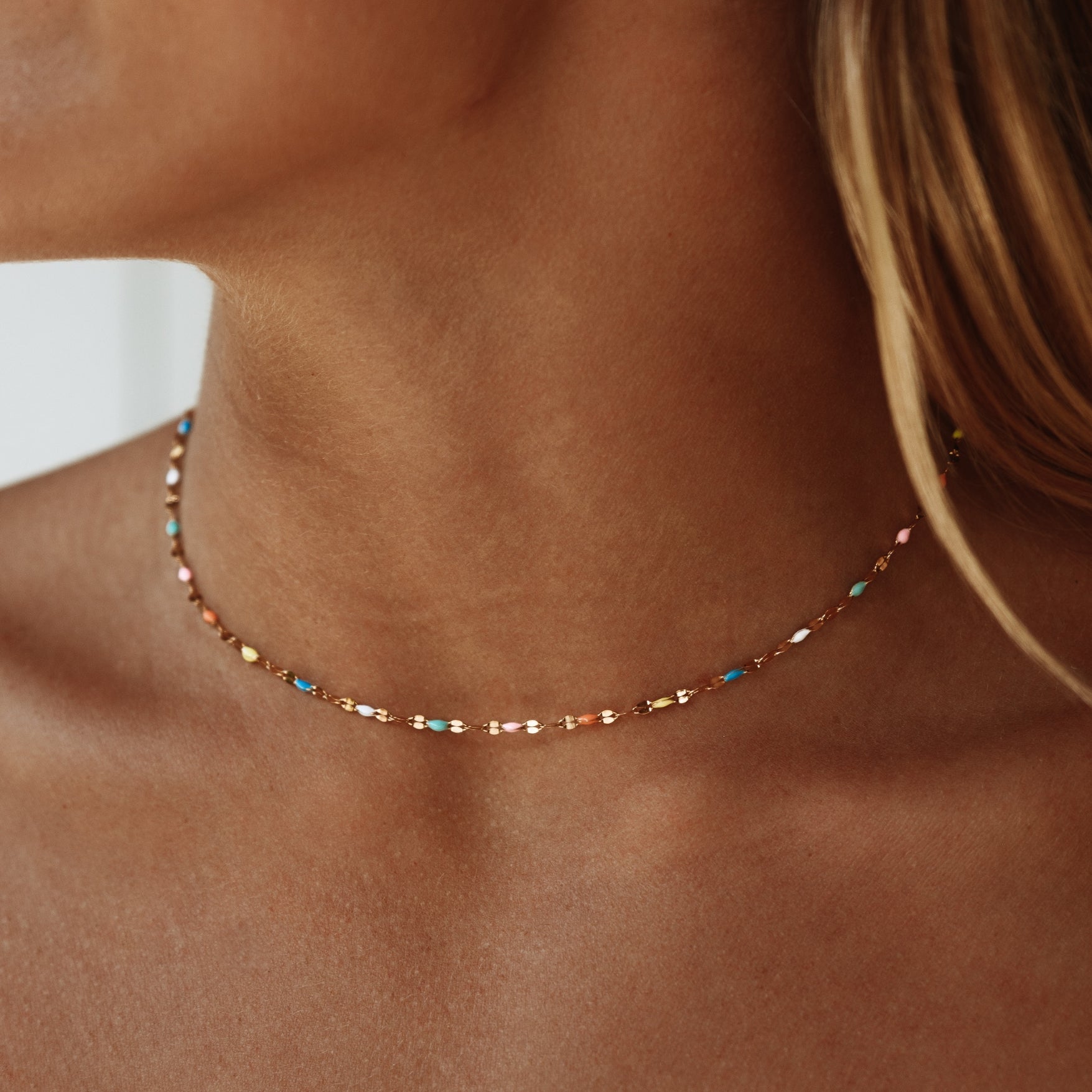
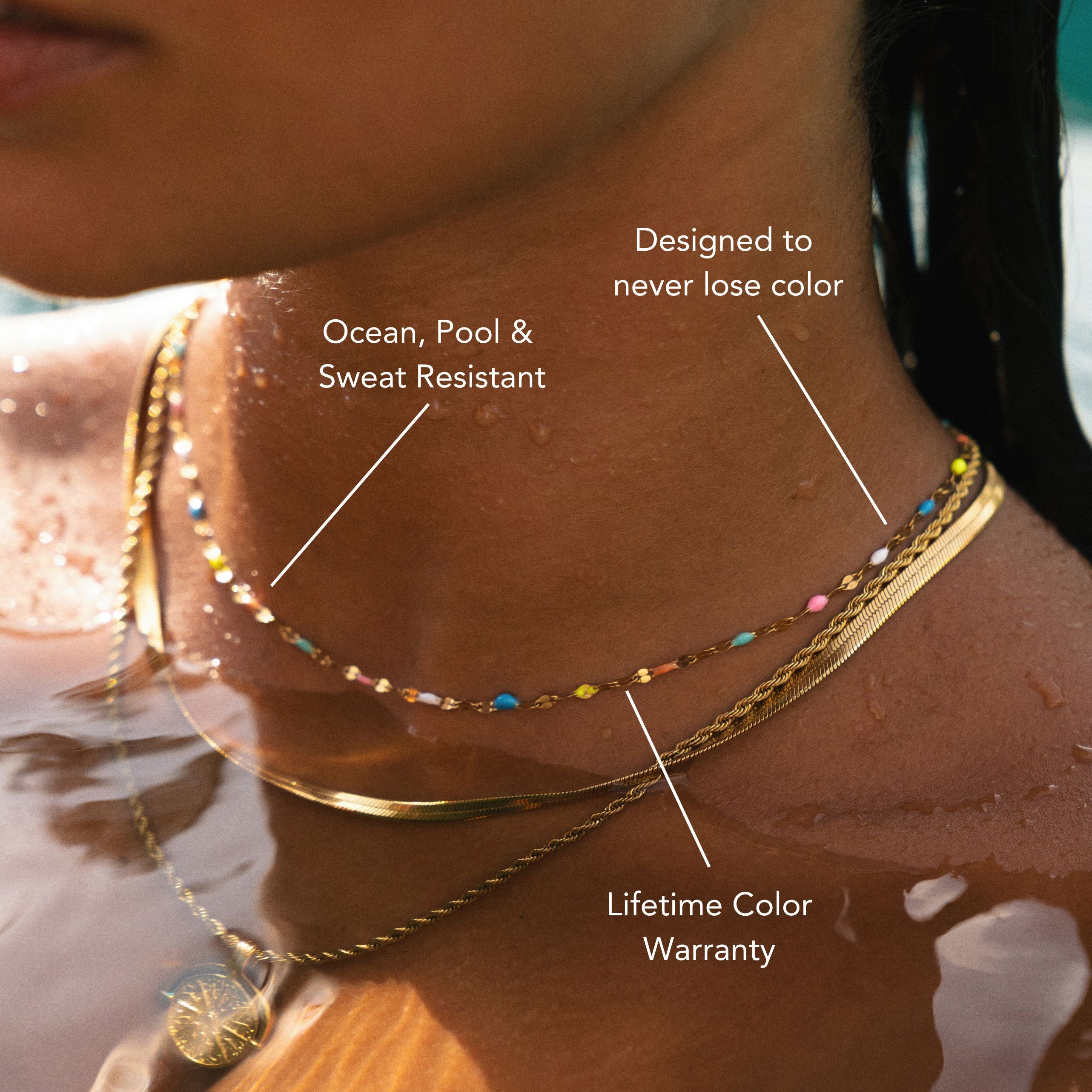
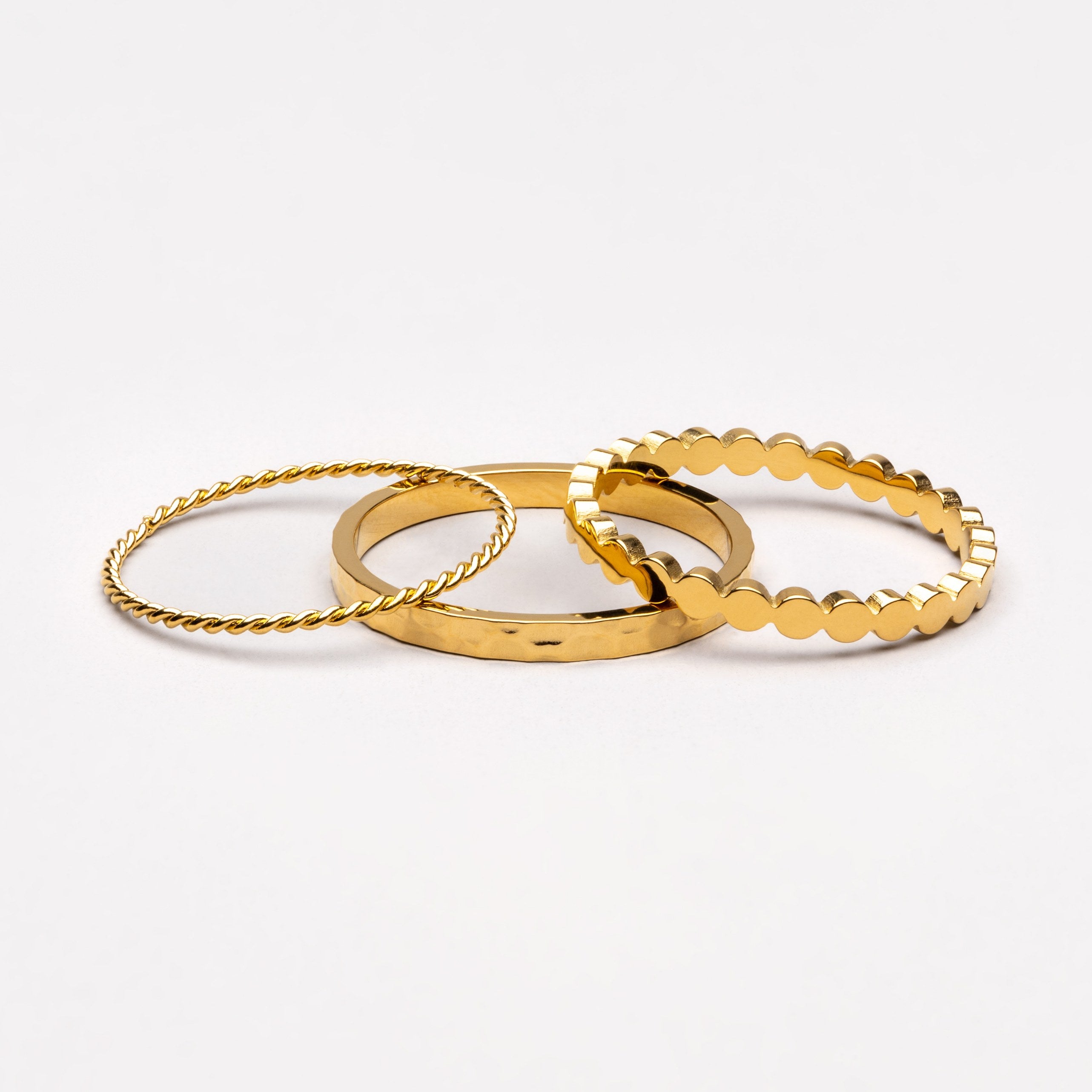
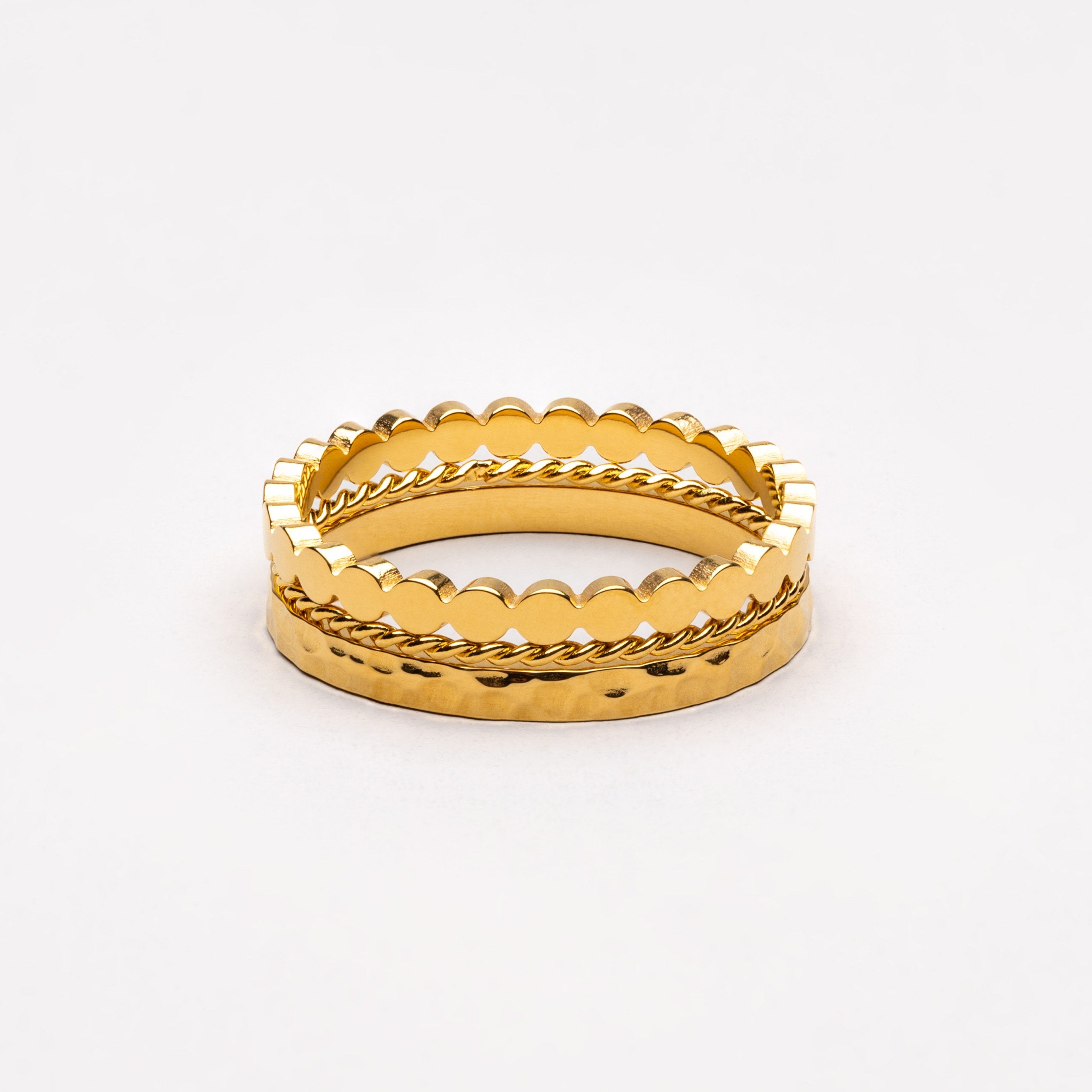
Removing tarnish from jewelry starts with identifying the metal type so you avoid stripping plating or damaging stones. For silver, a baking-soda and aluminum-foil bath can quickly lift tarnish through a mild chemical reaction. Solid gold usually responds best to lukewarm distilled water with a gentle, ammonia-free detergent and a soft brush. For gold-plated or costume pieces, stick to microfiber cloths, light spot-cleaning, and non-abrasive polishing cloths. Avoid harsh chemicals, toothpaste, or ultrasonic cleaners on delicate items. Choosing durable pieces from the Tarnish-Free Jewelry collection can also reduce how often you need these cleaning methods while helping your jewelry maintain its shine longer.
Pick the Right Jewelry Tarnish Removal Method
Before you reach for a cleaner, you need to match the tarnish removal method to the metal alloy, plating thickness, and any set stones in the piece.
First identify the substrate: sterling silver, gold-filled, vermeil, base-metal, or rhodium-plated. Each responds differently to abrasion, pH, and moisture exposure.
Analyze tarnish causes—sulfur compounds, skin chemistry, humidity, cosmetics—to decide if you need only surface film removal or deeper oxide reduction.
For gold-plated items, you’ll use low-abrasion, non-etching products to preserve microns of plating. For porous gems or organic materials, you’ll avoid ammonia, acids, and ultrasonic units.
Integrate this diagnostic step into routine jewelry maintenance so you can select the mildest effective method and prevent cumulative structural or aesthetic damage.

Clean Tarnished Silver Jewelry With Baking Soda and Foil
Although it looks like a simple kitchen hack, the baking soda and aluminum foil method leverages a true redox reaction to reverse silver sulfide tarnish without abrasion.
You line a non-metallic container with aluminum foil, shiny side up, then position your silver so it directly contacts the foil. Sprinkle baking soda over the pieces, then pour in just-boiled water to submerge them.
The hot alkaline solution promotes ion exchange: sulfur migrates from the silver surface to the aluminum, regenerating metallic silver instead of stripping it. You’ll often notice a slight sulfur odor as this occurs.
After a few minutes, remove the jewelry, rinse thoroughly, and dry with a lint‑free cloth to prevent water spotting and new oxidation.
Safely Clean Gold and Gold-Plated Jewelry
Silver tolerates chemical baths and redox reactions fairly well, but gold and gold‑plated pieces require more controlled cleaning protocols to avoid permanent damage.
For solid gold, prioritize non‑abrasive gold cleaning techniques: use a mild, ammonia‑free detergent in lukewarm distilled water, a soft natural‑bristle brush, and a lint‑free cloth. Avoid toothpaste, baking soda, or scouring powders; they create micro‑abrasions that dull the surface.
For gold plating care, treat the surface as a thin metallic film. Skip ultrasonic cleaners unless a jeweler confirms plating thickness and integrity. Don’t soak for extended periods; instead, use brief immersion, light agitation, then immediate rinsing and blot‑drying.
Keep pieces away from chlorine, strong acids, and alkalis, which can undercut plating and attack base‑metal substrates.

Quick Tarnish Fixes for Costume and Fashion Jewelry
Occasionally, you need a fast, low‑risk way to revive costume and fashion pieces without stripping their thin platings or destabilizing glued components.
For efficient costume care, start with a dry microfiber cloth and apply targeted mechanical polishing to loosen surface oxidation and cosmetic grime. Avoid silver dips or ammonia; they’ll attack base metals and adhesive joints.
For controlled fashion maintenance, use a cotton swab slightly moistened with distilled water and a drop of mild dish detergent, then spot‑clean only contact areas: earring posts, clasp tongues, ring shoulders.
Immediately blot dry and follow with a polishing cloth labeled safe for plated or imitation jewelry. For greenish skin-transfer residues, gently abrade with a pencil eraser, then re-buff to restore apparent luster.
Simple Habits to Prevent Jewelry Tarnish
Instead of treating tarnish as an inevitable cleanup job, you can interrupt the corrosion process with a few controlled handling and storage habits that limit jewelry exposure to sulfur, moisture, and skin chemistry.
Remove rings and bracelets before handwashing, chlorinated pools, workouts, or applying lotions and perfumes; these environments accelerate oxidative reactions and sulfide formation.
Implement anti-tarnish storage using sealed containers, low-humidity conditions, and sulfur-absorbing strips or activated charcoal.
Individually compartmentalize pieces to prevent abrasion that erodes protective plating. For silver, use treated anti-tarnish pouches; for gold-filled or plated items, avoid rubber bands and PVC plastics that off-gas sulfur compounds.
Schedule routine maintenance: quickly wipe pieces with a lint-free polishing cloth after wear to remove chlorides, oils, and perspiration salts.

Frequently Asked Questions
Can Professional Jewelers Restore Heavily Tarnished or Damaged Pieces Better Than Home Methods?
Yes, they typically can. You’ll benefit from advanced tarnish restoration techniques, ultrasonic cleaning, controlled polishing, and microscopic inspection. These professional cleaning benefits reduce metal loss, preserve gemstone integrity, and restore finish far beyond most home methods.
Is It Safe to Use Ultrasonic Cleaners on All Types of Jewelry?
No, you can’t safely use ultrasonic cleaners on all jewelry. Evaluate ultrasonic cleaner safety by examining stone treatments, inclusions, and mounting integrity; verify jewelry material compatibility, avoiding pearls, opals, emeralds, soft gems, glued settings, and porous organics.
How Does Tarnish Differ From Rust or General Discoloration on Metal Jewelry?
You distinguish tarnish from rust because tarnish formation is a surface-level oxidation process on noble or semi-noble metals, while rust is iron oxidation; general discoloration often involves contaminants, plating wear, or chemical residues, not strict oxidation.
Are There Hypoallergenic Metals That Naturally Resist Tarnish for Sensitive Skin Wearers?
Yes. You’ll find hypoallergenic options with high tarnish resistance in platinum, palladium, titanium, niobium, and high‑karat gold (18K+). These inert alloys minimize nickel release, galvanic reactions, and surface oxidation, optimizing biocompatibility for sensitive‑skin wearers.
How Should I Store Heirloom or Antique Jewelry to Preserve Its Patina, Not Remove It?
You prioritize patina preservation by storing pieces in inert, acid-free boxes, individual polyethylene bags, and low-humidity environments; avoid abrasive fabrics, anti-tarnish strips, ultrasonic cleaners, and frequent handling as critical storage techniques for stable surface oxidation.
Conclusion
Now that you understand multiple tarnish-removal workflows, you can select the protocol that aligns with each metal’s composition, plating thickness, and stone sensitivity. Apply the appropriate chemical or mechanical cleaning method, then neutralize, rinse, and dry thoroughly to prevent micro-abrasion and re-oxidation. Finally, implement preventive measures—airtight storage, anti-tarnish strips, controlled humidity, and gentle post-wear wipe-downs—so your jewelry maintains surface integrity, luster, and long-term structural stability.







コメントを書く
このサイトはhCaptchaによって保護されており、hCaptchaプライバシーポリシーおよび利用規約が適用されます。